
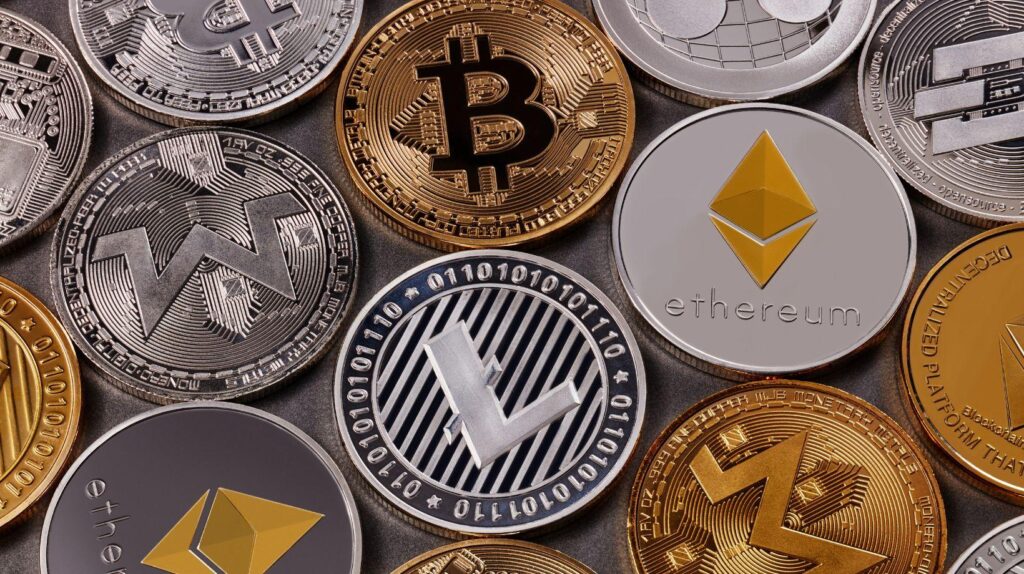
Crypto casinos used to accept only one or two cryptocurrencies. Now, many accept several different blockchain networks, giving players more ways to pay. More blockchain networks mean more players with different crypto assets can have the ability to play casino games.
Why Are Casinos Supporting More Networks?
The main reason is choice. Crypto users do not all use the same blockchain. One person may prefer a network with low fees. Another may care more about speed. Someone else may already hold funds on a particular network and want to avoid moving them. Supporting several networks makes it easier to serve different users. There is also a practical reason. Blockchain networks can become busy at different times. When one network has heavy traffic, transactions may become slower or more expensive. Having other options can give users another route.
Lower Fees Can Make a Difference
Transaction fees are one of the biggest points to consider. Every blockchain has its own way of processing transactions. The cost can change based on network activity and other factors. Some networks are known for lower fees, while others can become more expensive during busy periods. A player making a small deposit may notice this more than someone making a larger transaction.
For example, losing a noticeable part of a small deposit to network fees can be frustrating. Choosing a network with a lower fee may leave more of the original amount available for the intended use. Still, low fees should not be the only factor.
Speed Is Another Benefit
Nobody likes waiting for a payment longer than expected. Blockchain networks process transactions at different speeds. Some can confirm transfers quickly. Others may take longer, especially when the network is busy. Multi-chain support gives players more ways to move funds. A fast network can be useful when a player wants a quick deposit while playing at a live casino. The same point applies to withdrawals. However, blockchain confirmation is only one part of the process. The casino may also need to review or approve a transaction. So a fast blockchain does not always mean an instant payment.
Players Have More Control
More network choices can also give players greater control over how they use their crypto. Someone who already has funds on a certain network may not need to convert them first. They can select a supported network and send the funds directly. That can reduce extra steps. It may also mean fewer conversions between assets or networks. Every extra step can add another fee or create another chance for an error. This is one of the biggest practical benefits of multi-chain support.
What Should Players Check?
Choosing a network is not just about speed. Before making a transaction, it is worth checking:
- Network fees: How much will the transaction cost?
- Speed: How long do confirmations usually take?
- Wallet support: Does your wallet support that network?
- Casino support: Is the network clearly listed by the platform?
- Minimum deposits: Does the network have different minimum amounts?
- Withdrawal rules: Are the same networks available for withdrawals?
These details can prevent simple mistakes.
Multi-Chain Support Can Help Casinos Too
The benefits are not limited to players. A casino that supports several networks can reach users who prefer different blockchain systems. It can also reduce its reliance on one network. This can be useful when a particular blockchain experiences high traffic or technical problems.
There is more work behind the scenes, though. Supporting several networks means managing different systems, wallets, confirmations, and security processes. More choice can improve the experience, but it also creates more technical work.
More Options Can Mean More Confusion
There is a downside to having many choices. A new crypto user may find several networks confusing. They may see the same currency listed multiple times and not understand why. This is where clear information matters. A good payment page should explain which networks are supported and provide simple instructions. It should also warn users to select the same network in their wallet. Clear guidance can make multi-chain payments much easier to understand.