
As a new content creator, focusing on one platform can seem like the most sensible way to grow. You learn how it works, settle into a rhythm, and start to understand what your audience responds to.
There is comfort in that kind of simplicity, especially when you are already trying to create on a consistent basis. However, when your reach, income, and brand identity rest on a single app or platform, that simplicity starts to look far less secure.
For most creators, building on multiple platforms is not about trying to be everywhere at once. That approach usually becomes exhausting, and it rarely lasts. A better way to think about it is to let each platform do a different job.
One might help new people discover your content. Another might give them a clearer sense of your personality and style. A third might offer your most engaged followers a direct way to support your work.
When those pieces begin to work together, your content starts doing more with less strain. Rather than beginning from scratch each day, you are building a system that has more structure, flexibility, and staying power.
Five Practical Benefits of Using Multiple Platforms
Here are five solid reasons a multi-platform setup can make a creator’s business much stronger.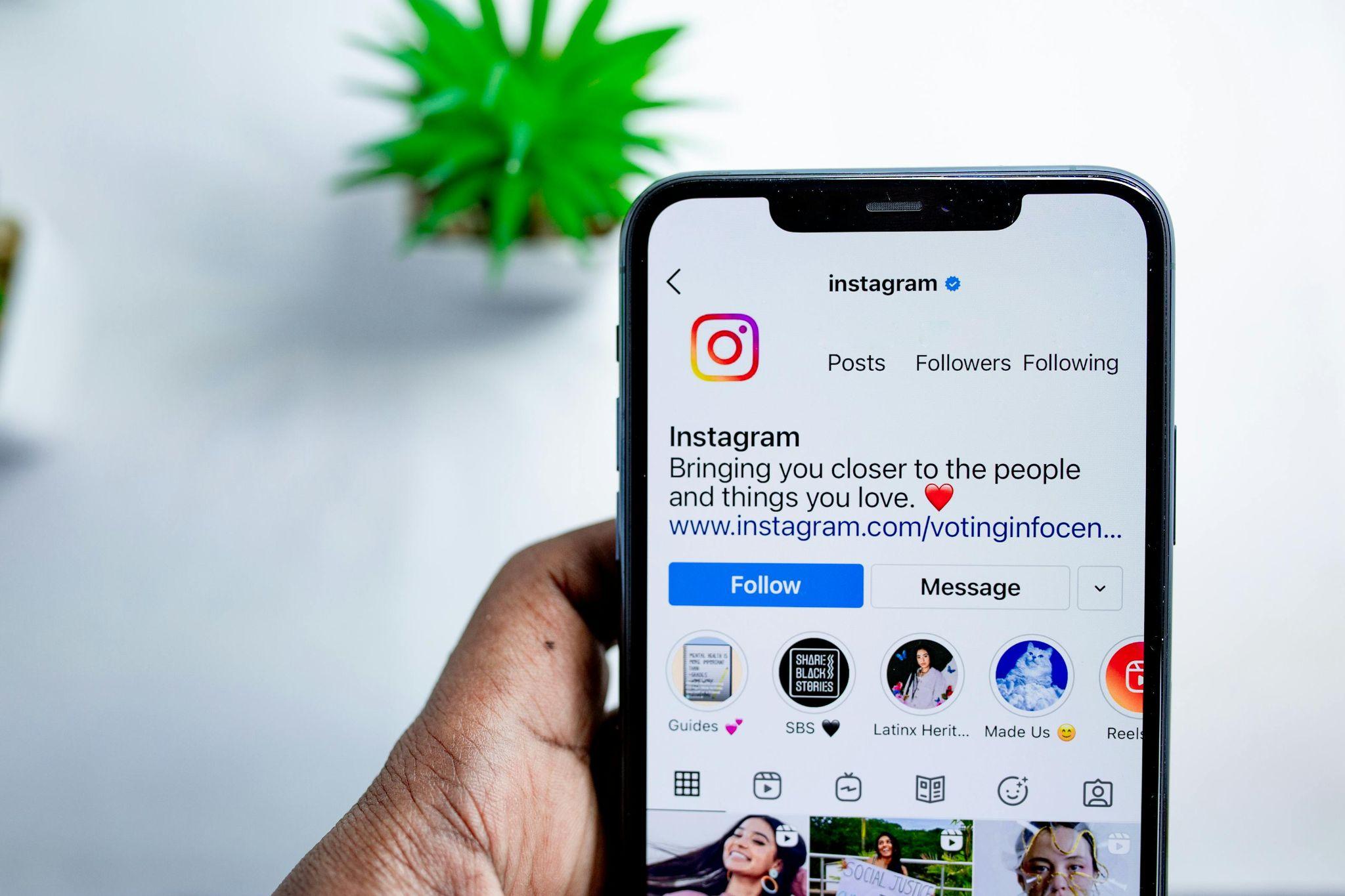
You Can Shape Content Around How People Use Each Platform
People do not behave the same way on every platform, and that is worth paying close attention to.
Someone scrolling TikTok is often looking for something quick, clear, and immediately engaging. A person on YouTube may be more willing to spend time with a topic and follow a fuller explanation. Readers opening a newsletter are often in a different frame of mind altogether, with more patience for detail, reflection, and recommendations.
This is exactly why one strong idea can work well in several forms without feeling repetitive. In fact, there are now many creators with multiple platforms, from YouTubers with Instagram accounts to leading onlyfans creators.
Take a fitness creator, for example. One workout concept could become a short TikTok demonstration, a full YouTube walkthrough, an Instagram carousel with technique notes, and a newsletter explaining how to fit the workout into a weekly plan. The idea stays the same, but the presentation shifts to suit the place where it appears.
This saves time because you are not trying to invent a completely new concept for every platform. Instead, you are adapting one useful idea to match how people already consume content in each space. Done well, that makes your content feel thoughtful and natural rather than copied and pasted.
You Reduce the Risk of Losing Access to Your Audience
Every creator should take platform risk seriously. Reach can drop without warning, content rules can change, and a format that worked beautifully a few weeks ago may suddenly stop performing.
In more serious situations, an account can be restricted or suspended, which can interrupt your work overnight and leave you trying to recover far too quickly. When all of your audience is gathered in one place, your options become limited the moment something goes wrong.
A broader platform mix gives you breathing space. You might use TikTok for visibility, Instagram for regular interaction, YouTube for longer and more searchable content, and an email list for direct communication. If one channel slows down, the others still give your audience a way to find you and keep up with what you are doing.
There is a deeper advantage here as well, and it comes down to control. Social platforms decide what gets shown, when it appears, and who gets to see it. Email, a personal website, or a paid community gives you a much more direct connection.
The less dependent you are on one platform to reach your own audience, the stronger your position becomes over time.
You Build a Clearer Brand Through Repetition With Variety
Most people do not remember a creator after seeing one post. Recognition usually builds through repeated exposure.
When people come across your voice, style, visuals, and offers in more than one place, your brand becomes easier to recognize and remember.
The key is consistency without repetition, which can become dull. Your tone, values, niche, and overall message should feel connected across platforms, but the posts themselves should not look identical.
A cooking creator, for instance, might use TikTok for quick recipe clips, Instagram Stories for grocery runs and everyday updates, YouTube for full tutorials, and a blog for printable recipes and longer written guidance.
This kind of repeated exposure helps people understand what you offer and why they should keep paying attention. It also helps you stand out in crowded feeds. When someone sees you in several places and still gets the same clear impression of who you are, your brand starts to feel familiar in a good way.
However, this is where many creators lose their footing. They assume multiple platforms mean more random posting, when really the opposite is true. A good multi-platform strategy creates sharper positioning. Each platform should reinforce the same core message, only from a slightly different angle.
You Create More Paths to Income
A single platform can limit the way you earn. Some platforms offer creator funds or ad revenue. Others are better suited to subscriptions, digital products, affiliate links, coaching, merchandise, or private content. When you build across platforms, you can create several income paths that match different levels of audience trust.
A casual follower may not buy from you straight away. They may watch your free videos for weeks, join your email list later, and eventually decide to purchase a guide, subscription, or other paid offer. This path becomes much easier to support when you have several platforms working together rather than using one platform to do everything.
It helps to think of it as a simple ladder. Short-form free content brings people in. Longer content builds trust. Email or community spaces deepen the relationship. Paid platforms or products convert the people who are most interested and ready to take the next step.
This also makes your content feel less forced. Your discovery content can focus on reach, while your deeper content can focus on trust. In addition, your paid offers can be listed in the places where your warmest audience already expects them. That creates a smoother experience for both you and the people following your work.
You Learn Faster from Different Audience Signals
Each platform gives you a different kind of feedback, and that feedback becomes far more useful when you compare it across channels.
When you put those signals together, you learn more than you ever could from one platform alone.
Posts with fewer likes may still generate strong email clicks. A short clip might go viral but pull in the wrong audience. If you have a slower-growing YouTube video, it may attract fewer viewers overall, yet bring in the kind of followers who trust you enough to buy later.
That broader view helps you make better creative decisions. You stop judging content only by public engagement and start paying attention to what each platform is actually telling you. This is often the point where a creator’s strategy begins to mature.
The goal is not to chase every metric you can find. It is to understand which signals matter at each stage of growth. Reach, saves, comments, watch time, clicks, and conversions all tell different parts of the story, and you need all of them in context to see what is really working.
Build a Platform Mix That Gives Your Work Room to Grow
Using multiple platforms gives creators greater control, more insight into their audience, and better ways to earn. It works best, however, when each platform has a clear purpose rather than being added for the sake of it.
You do not need to post everywhere; what you need is a thoughtful mix. Choose one platform for discovery, another for deeper connection, a different one for direct audience ownership, and a final one for monetization. From there, build a repeatable system around the kind of content you already know how to make well.
This is when multiple platforms stop feeling like extra work and start becoming a much stronger foundation for your creator business.